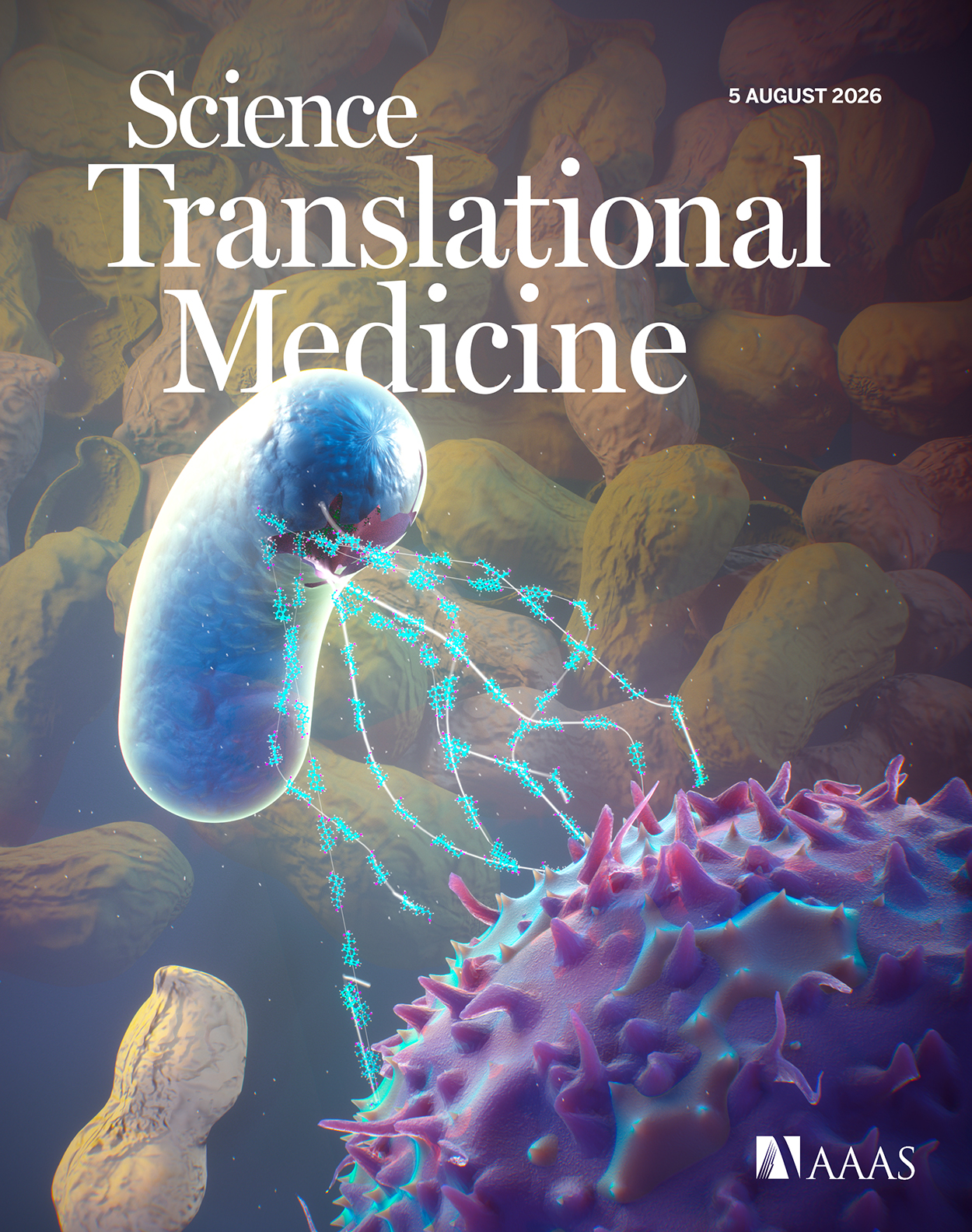
Bringing research to the public - interview NRC!
Hoe poeppillen mogelijk een pinda allergie verhelpen (by Karlijn Saris)
We bridge Data science with Advanced preclinical models to understand how to prevent disease by targeting the microbiome.
Explore our workA growing body of evidence shows that the mucosa and the microbes that inhabit these surfaces are essential for maintaining health. Our group studies how these complex host-microbiome interactions preserve immune homeostasis and protect against disease.
While microbiome- and diet-based interventions show considerable promise, the mechanisms underlying their clinical benefits remain poorly understood. We believe that systemic immunometabolism lies at the heart of this challenge. Signals originating at mucosal surfaces shape the metabolic programmes of immune and stromal cells - not only locally, but also at distal tissues - thereby orchestrating immune homeostasis throughout the body.
To unravel these mechanisms, we combine data-driven discovery with hypothesis-driven research to identify the host-microbiome signatures that precede disease onset. By integrating human clinical cohorts, microbiome and multi-omics data with state-of-the-art advanced in vitro models, we move beyond association to uncover causality.
Our ultimate goal is to understand the mechanisms that maintain immune homeostasis and translate these insights into microbiome- and diet-based strategies to prevent disease onset.
Our interdisciplinary research lines are built on strong, established collaborations that bring together complementary expertise, technologies, and perspectives with. Through national and international partnerships, we work closely with clinicians, data scientists, omics specialists, computational biologists, to accelerate and strengthen the impact of our advanced immune in vitro model. By fostering an open and collaborative research environment, we aim to fast-track innovation in disease prevention.
Hoe poeppillen mogelijk een pinda allergie verhelpen (by Karlijn Saris)
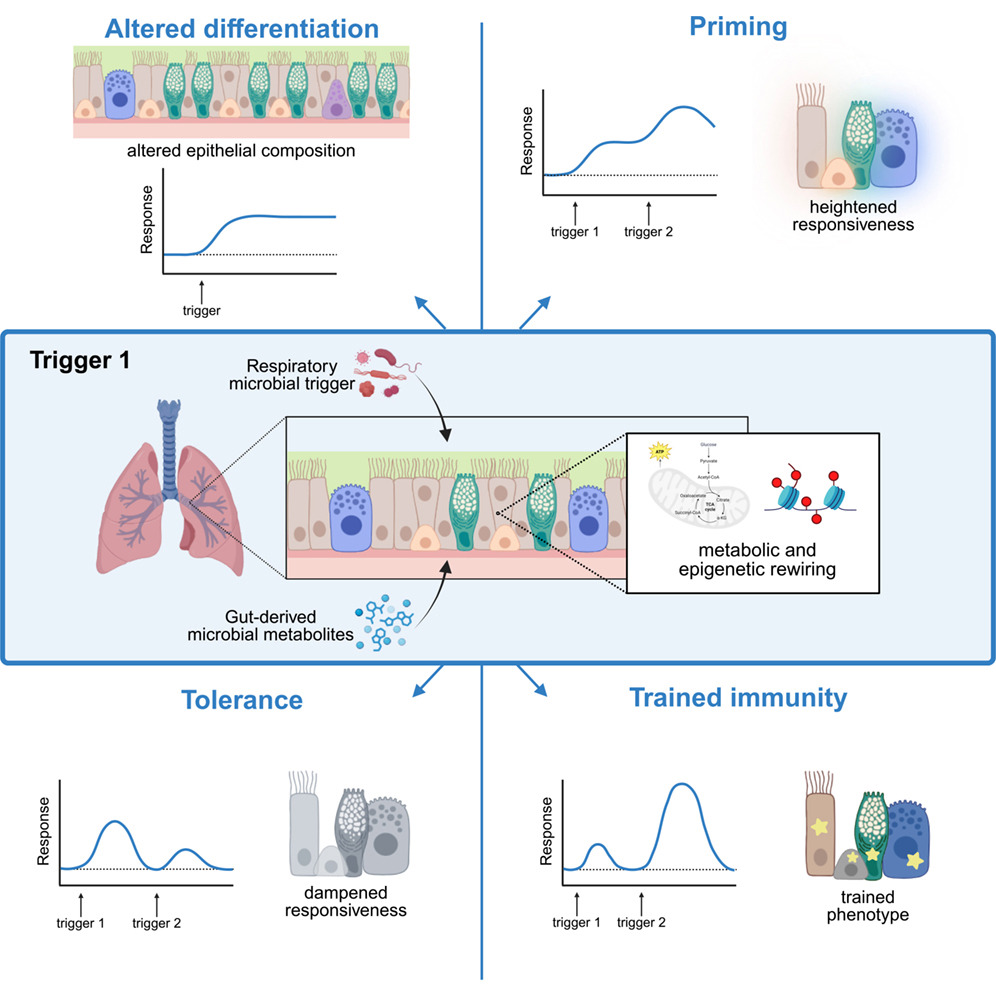
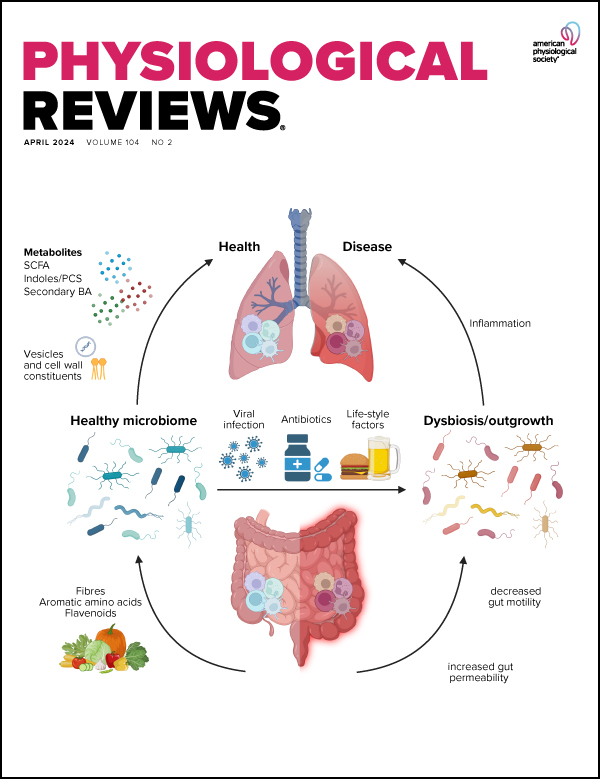
Our latest study reveals how microbial signals shape lasting airway epithelial memory and respiratory immune homeostasis.
We are pleased to announce the approval of the INA study, a collaborative research initiative between Utrecht University and Diponegoro University.